Best Roofing Materials for Minnesota’s Climate: Expert Guide
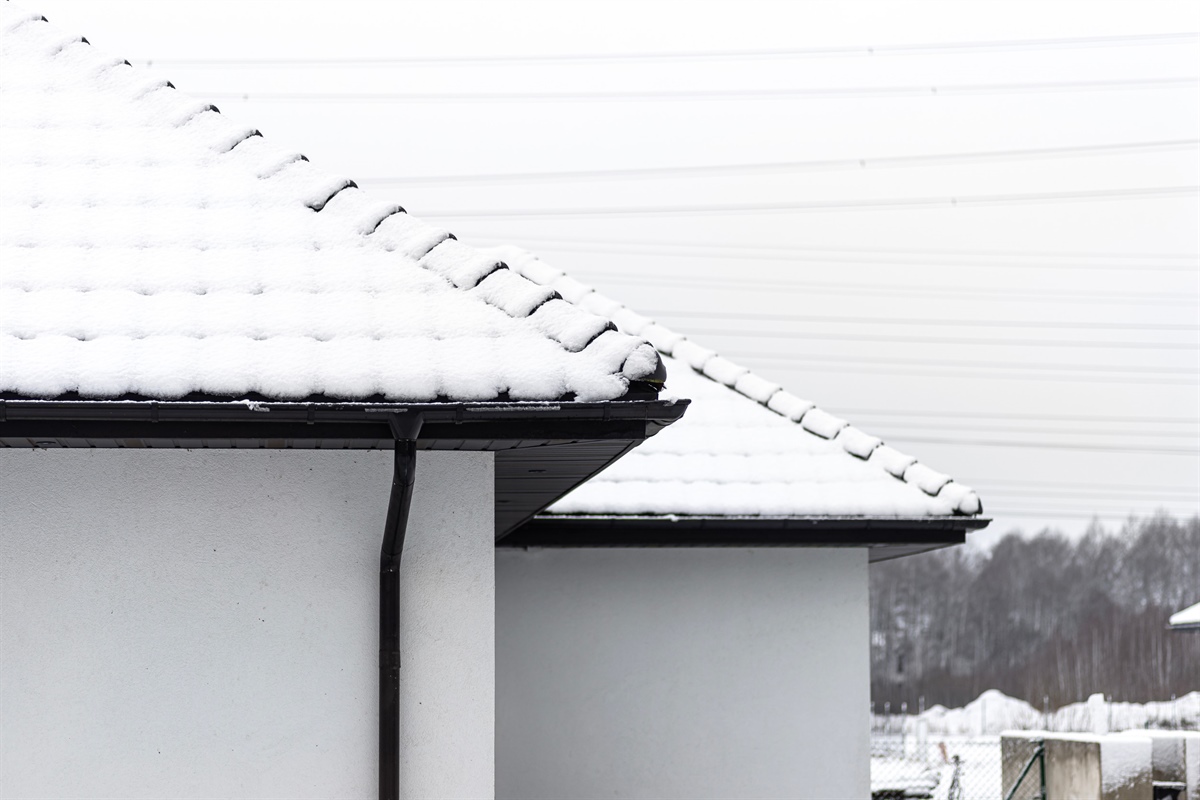
Choosing the right roofing materials in Minnesota is a high-stakes decision. Winters are long, icy, and packed with snowstorms. Summers bring intense heat swings and violent hail. These extreme conditions take a toll on roofs that aren’t built to handle them.
Homeowners looking to extend their roof’s life, reduce repairs, and protect their home through every season need to think beyond just color and curb appeal—performance matters most here.
Every roofing material responds differently to Minnesota’s wild climate shifts. Some shed snow better, while others resist the relentless freeze-thaw cycle that cracks and splits shingles. Knowing what works best in these conditions is key to preventing costly damage.
Metal, asphalt, synthetic composites—each comes with its own advantages, and the details behind those differences can make or break your roofing investment. Whether you're re-roofing an older home or building new, matching material to the climate is critical.
In this article, we’ll explore how different materials and roofing systems stand up to Minnesota’s weather extremes. With guidance built on practical experience and proven materials, you’ll be able to make an informed decision backed by facts and performance data.
Let’s take a closer look at what makes a roof truly resilient in Minnesota, starting with how metal handles snow and ice.
Why Metal Roofs Excel in Snow & Ice Conditions
Metal roofing systems are widely regarded as one of the most effective choices for snow-prone regions like Minnesota. The primary reason lies in their smooth, hard surface, which naturally sheds snow and ice.
Unlike textured or granular shingles, metal panels have low surface friction, allowing snow to slide off before it accumulates excessively. This prevents dangerous ice dams and minimizes the structural burden of heavy snow loads. In areas that experience repeated freeze-thaw cycles, this shedding capability is crucial to prevent water infiltration and long-term damage.
Another major advantage of metal roofing in cold climates is its compatibility with snow guards and heating cables. Snow guards can be installed to control the rate and direction of snow release, protecting gutters, walkways, and landscaping.
Heating cables can also be used to maintain clear eaves and valleys. Metal roofs, particularly those made of steel or aluminum, are also more resistant to cracking or becoming brittle under subzero temperatures.
These performance traits make metal a top choice for homeowners in regions where winter is more than just a season—it’s a test of endurance.
While initial installation costs for metal roofing can be higher, the longevity and reduced maintenance make it a cost-effective option over time. When paired with proper underlayment and insulation, a well-installed metal roof offers decades of protection against Minnesota’s toughest winter challenges.
For those exploring roofing services in snowy climates, metal is often at the top of the list.
The Role of Impact-Resistant Asphalt Shingles in Hail Protection
Hail is one of the most destructive forces Minnesota homeowners face each spring and summer. Standard asphalt shingles can crack, fracture, or lose granules after repeated hail strikes. Impact-resistant (IR) asphalt shingles are engineered to withstand this type of damage.
These shingles are made with thicker, reinforced layers of fiberglass or rubberized polymers that absorb and dissipate the energy from hail impacts. Many are tested to meet UL 2218 Class 4 standards—the highest rating for impact resistance in roofing materials.
This added protection extends the lifespan of the roof and minimizes the risk of leaks, which often develop after unnoticed hail damage. IR shingles are especially valuable in Minnesota counties frequently impacted by hailstorms.
Insurance providers may also offer premium discounts to homeowners who upgrade to Class 4-rated shingles, recognizing their ability to reduce claims and property losses. It’s not just about surviving the storm—it’s about maintaining long-term roof integrity through repeated cycles of weather-related abuse.
When considering shingle roofing options, impact resistance should be a top priority. These advanced asphalt shingles offer a blend of affordability, aesthetic variety, and performance that make them a practical solution for homes across hail-prone regions like Minnesota.
Synthetic Shingles: A Freeze-Thaw Resilient Roofing Solution
Freeze-thaw cycles wreak havoc on traditional roofing materials. Water seeps into cracks, freezes, expands, and widens the gaps—eventually degrading shingles and causing leaks. Synthetic roofing shingles, often made from polymer composites, are engineered to resist these stresses.
Their material composition is more flexible than asphalt or wood, allowing them to expand and contract without cracking. This elasticity makes synthetic shingles particularly effective in Minnesota’s fluctuating temperatures.
In addition to superior freeze-thaw durability, synthetic shingles are designed to mimic the look of slate, wood shake, or traditional asphalt while outperforming them in longevity and resistance.
They’re lighter than stone or wood yet maintain Class A fire ratings and high wind and impact resistance. These features make them well-suited for homeowners who want durability without sacrificing style or structural simplicity.
In areas where winter doesn’t just visit but dominates half the year, this flexibility can prevent early deterioration and extend the life of the entire roofing system.
Synthetic shingles also resist moisture absorption, which is key to preventing mold, rot, and degradation under long periods of snow cover. While these products often come with premium pricing, their low maintenance and superior performance can yield long-term savings, especially in climates like Minnesota, where weather-related repairs are common.
Best Underlayment Materials to Prevent Ice Dam Damage
Underlayment is the last line of defense between your roof deck and the elements. In cold climates like Minnesota, specialized underlayment systems are essential to prevent ice dams.
These dams form when snow melts on the roof, runs down to the eaves, and refreezes, trapping water that seeps under shingles. The most effective barrier against this kind of infiltration is a self-adhering ice and water shield membrane installed along the eaves, valleys, and penetrations.
Modern synthetic underlayments outperform older felt-based materials by offering superior water resistance, tear strength, and longevity. These synthetic products are often vapor-permeable, allowing trapped moisture to escape while preventing external water from entering.
They’re also lighter, easier to install, and more resistant to wrinkling or buckling under snow pressure. In Minnesota, it’s standard practice to install ice and water shield several feet up from the eaves and in all vulnerable areas to ensure maximum protection against meltwater penetration.
When selecting a roofing system for ice dam resistance, attention to underlayment quality and placement is as important as the surface material.
Using high-quality ice and water shields in combination with proper attic insulation and ventilation creates a system that resists both external moisture and internal condensation—two leading causes of winter roofing damage in this climate.
How Energy-Efficient Shingles Help Control Attic Heat Buildup
Attic heat buildup can be a year-round issue in Minnesota, contributing to ice dams in winter and high cooling bills in summer. Energy-efficient shingles address this by reflecting more solar heat than traditional roofing materials.
These shingles are manufactured with specialized coatings or granules that meet “cool roof” standards, reducing surface temperatures by up to 50°F. This temperature drop translates into a cooler attic and a more stable indoor climate.
By lowering roof temperatures, these shingles help slow snowmelt on the roof, reducing the risk of sudden runoff and ice dam formation. During hot months, they prevent attic overheating, protecting insulation and HVAC components while lowering energy consumption.
This thermal control is especially helpful for homes with inadequate roof ventilation or insulation, adding a layer of performance without structural changes.
Homeowners who prioritize both energy efficiency and durability often combine reflective shingles with modern ventilation systems for optimal performance. When considering eco-conscious upgrades that also deliver practical benefits in Minnesota’s climate, energy-efficient shingles from The Best Roofing Company are a forward-thinking investment.
Protecting Minnesota Homes with Proven Roofing Solutions
From blizzards and ice dams to scorching summers and hailstorms, Minnesota’s climate demands more from a roof than most states. That’s where The Best Roofing Company steps in—bringing extensive experience and advanced materials to every project.
Every material we use is selected based on rigorous standards for performance, safety, and durability, ensuring your roof doesn’t just look good, but lasts through decades of Minnesota’s harshest weather.
Serving homeowners throughout Inver Grove Heights, MN and beyond, The Best Roofing Company provides consultations, inspections, and full installations backed by years of proven results. Whether you need an upgrade, a new build, or are dealing with storm-related damage, our team is ready to help.
Call 612-458-9378 or request a quote today to start protecting your home with confidence. Explore our full range of roofing solutions online.