Metal Roof Energy-Efficiency in Hot & Cold Climates
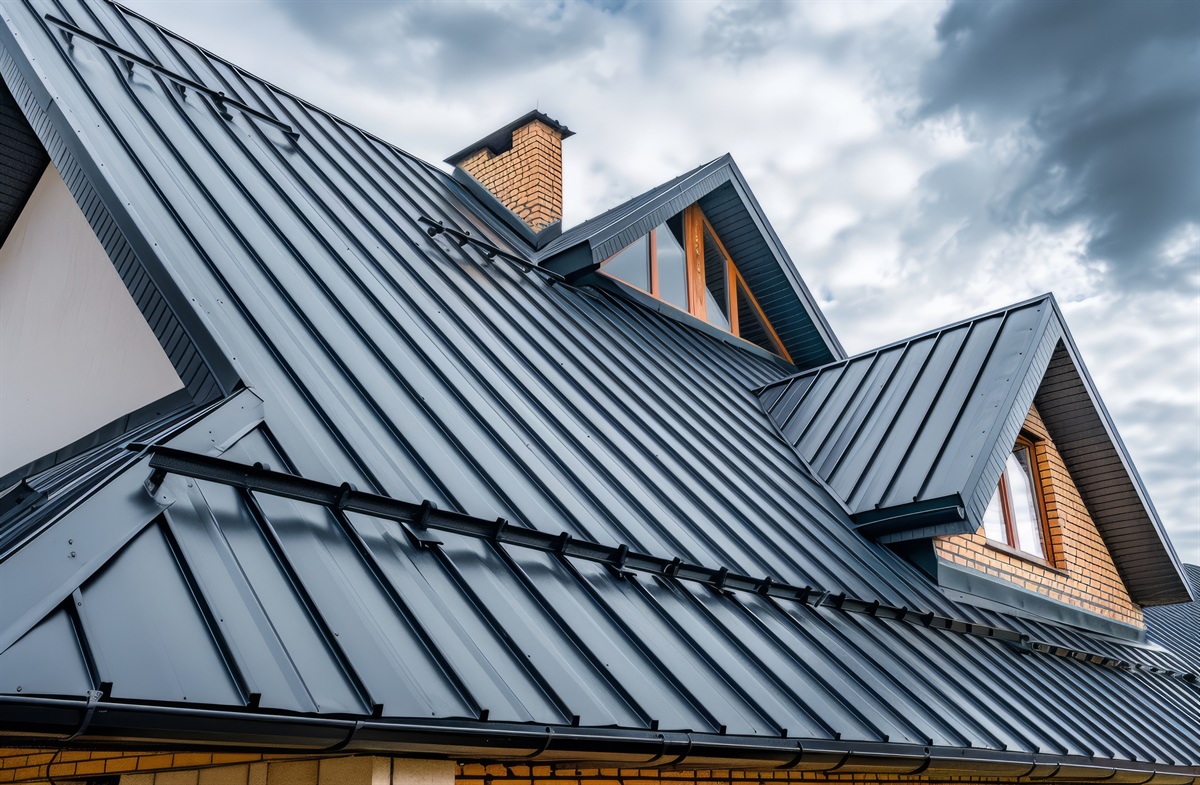
When it comes to energy efficiency in extreme climates, the choice of roofing can have a measurable impact on a home's heating and cooling performance. Homeowners in regions like Minnesota experience temperature swings from scorching summers to sub-zero winters, making the efficiency of their roofing system a critical consideration.
Metal roofs are gaining attention for their performance under these conditions, offering not only long-term durability but also the potential to reduce energy usage year-round. Whether reflecting solar heat or preventing winter ice dams, metal roofing plays a distinct role in improving home efficiency.
At The Best Roofing Company, we've worked with countless homeowners seeking ways to improve the energy performance of their properties.
While metal roofs are known for their strength, fewer people realize how their design and coatings contribute to significant energy savings. The science behind reflective surfaces, thermal breaks, and advanced barrier systems makes a strong case for metal roofing in both hot and cold climates.
These systems don’t just protect against weather — they help regulate interior temperatures by interacting with attic insulation, radiant heat, and air exchange patterns. To learn more about the material options, explore our metal roofing solutions available today.
Reflective Metal Roof Coatings Significantly Lower Cooling Costs
Reflective coatings on metal roofs work by repelling a significant portion of the sun’s infrared radiation, preventing heat from penetrating into the building below.
These coatings are often made with specialized pigments or finishes — such as cool roof coatings with high solar reflectance index (SRI) values — that reflect both visible light and UV radiation.
The result is a substantial reduction in surface temperature, sometimes by as much as 50°F compared to conventional roofing materials. This lower surface temperature translates to cooler attic spaces and reduced demand on HVAC systems during hot months.
It's All in the Reflective Finish
Metal roofing systems that include reflective finishes are particularly effective in climates with high cooling loads. In Minnesota summers, daytime temperatures can exceed 90°F, causing standard asphalt shingles to absorb and store heat, which eventually transfers into the attic.
A reflective metal roof interrupts this heat transfer. With the right coatings, a metal roof can reflect up to 70% of solar energy, depending on the finish type and color.
This contributes directly to lower indoor temperatures, decreasing the need for air conditioning and resulting in measurable energy savings over time. These benefits are most effective when combined with proper attic ventilation and insulation systems.
For homeowners exploring energy-efficient upgrades, choosing a roof system with proven reflective performance can make a lasting impact.
The Best Roofing Company offers high-performance metal roofing options that meet modern energy standards, helping residents reduce monthly utility costs while extending the lifespan of their roof. Reflective metal finishes not only provide long-term energy efficiency but also maintain aesthetic integrity by resisting UV-related fading and degradation.
How Metal Roofing Systems Enhance Attic Insulation Performance
Metal roofs indirectly contribute to attic insulation performance by regulating the thermal conditions surrounding the insulation layer.
While insulation works by resisting heat transfer, its effectiveness can be compromised by extreme attic temperatures. A metal roofing system, particularly one with reflective coatings and integrated ventilation, minimizes heat gain in summer and heat loss in winter.
By reducing the amount of radiant energy that enters the attic, metal roofing creates a more stable temperature environment, allowing insulation materials like fiberglass or spray foam to perform closer to their rated R-values year-round.
In cold climates such as Minnesota, one of the main concerns is preventing heat from escaping through the attic in winter. Metal roofs, when paired with proper underlayment systems and ventilation, help prevent thermal bridging and reduce convective heat loss.
This means warm indoor air stays inside longer, lowering heating demands and reducing strain on the HVAC system. On hot days, metal roofs prevent solar heat from building up inside the attic, which reduces cooling demand. These seasonal benefits make metal roofing systems an effective partner in maximizing the performance of attic insulation across all weather extremes.
Effective roofing services include evaluating how the roof deck, insulation, and ventilation interact. The Best Roofing Company regularly installs metal roofs that are designed to improve thermal performance by addressing these interactions.
This includes using radiant barriers, insulated panels, and custom attic ventilation systems that all contribute to better control of heat movement. While the metal itself isn’t an insulator, its contribution to temperature regulation significantly supports insulation performance, offering homeowners long-term savings and improved comfort.
ENERGY STAR–Rated Metal Roofing Options & Their Performance
ENERGY STAR–rated metal roofing products are certified for their ability to reflect more sunlight and lower roof surface temperatures.
These roofs are typically coated with infrared-reflective pigments that meet or exceed the ENERGY STAR program’s minimum solar reflectance requirements.
For steep-slope roofs, this means achieving at least 25% initial solar reflectance, with similar performance sustained over time. The certification applies to both pre-painted metal panels and granular-coated metal shingles, providing homeowners with a variety of aesthetic and performance options.
ENERGY STAR–rated metal roofs are designed to reduce heat gain in the building envelope, which directly lowers air conditioning use during hot weather. While the certification primarily targets warm climate performance, the reflective properties of these systems contribute to year-round efficiency.
Some models also offer enhanced emissivity, allowing the roof to cool faster once the sun sets. Homeowners seeking an ENERGY STAR–certified solution can choose from standing seam panels, corrugated systems, and modular shingles, many of which are available in lighter colors or treated finishes that enhance solar reflectivity.
For homes in Minnesota and similar climates, ENERGY STAR–rated roofs offer an effective balance of performance and durability. Many of the certified systems also comply with other standards such as LEED, Cool Roof Rating Council (CRRC), and UL environmental criteria.
These third-party certifications help verify the product’s long-term performance under harsh environmental conditions, including freeze-thaw cycles, high winds, and UV exposure. Selecting a roofing contractor familiar with ENERGY STAR–rated systems is essential to ensure proper installation and maintain certification standards throughout the product’s life span.
Integrating Radiant Barrier Technology with Metal Roofing Systems
Radiant barrier technology is designed to reflect radiant heat rather than absorb it, and when paired with metal roofing, it creates a highly effective thermal control system.
Radiant barriers are typically installed beneath the roof deck, facing the open attic space. They work by interrupting radiant heat transfer from the roof surface to the attic below.
Because metal roofs already reflect a portion of solar energy, adding a radiant barrier enhances this effect by blocking additional heat from reaching insulation and living spaces. Together, they form a dual-layer defense against heat gain in the summer.
In practical terms, a radiant barrier in a metal roofing system reduces attic temperatures by 10–20 degrees Fahrenheit on hot days. This reduction can significantly lower the workload of cooling systems, especially in unvented attics or homes with minimal insulation.
Radiant barriers are most effective when installed with an air space between the roof and the barrier material. Many modern metal roofing assemblies account for this by including batten systems or raised seams that naturally create air channels, optimizing thermal performance without disrupting the structural integrity of the roof.
During colder months, radiant barriers can also help retain indoor heat by limiting radiant heat loss through the roof assembly. While they are not insulating, their reflective properties assist in maintaining consistent interior temperatures.
For homes in variable climates like the Midwest, combining radiant barriers with metal roofing offers an efficient way to stabilize attic conditions throughout the year. When installed by professionals familiar with both technologies, this setup can be a powerful tool in reducing energy expenses and improving overall indoor comfort.
How Metal Roofs Help Prevent Ice Dams in Cold Climates
Ice dams form when melting snow refreezes at the eaves of a roof, creating a barrier that traps water and forces it under the shingles. This can lead to leaks, insulation damage, and mold growth.
Metal roofing significantly reduces the conditions that cause ice dams due to its low surface friction and ability to shed snow more quickly than traditional shingles. The smooth surface of metal allows snow to slide off more readily, reducing the amount of accumulated snow that can melt and refreeze.
Additionally, metal roofs warm and cool more evenly, preventing the uneven heat distribution that leads to ice dam formation.
Another reason metal roofs are effective against ice dams is their compatibility with ventilation and insulation improvements. When paired with ridge and soffit vent systems, metal roofs support consistent attic airflow, which maintains a cooler roof surface and discourages snowmelt caused by heat escaping from the home.
Some metal roof installations also include snow retention systems and heating cables where needed, allowing additional control in vulnerable roof areas without compromising the roof's structural performance.
For homeowners in regions like Inver Grove Heights, where freeze-thaw cycles are common, reducing the likelihood of ice dams can prevent costly damage during winter.
The Best Roofing Company specializes in metal roofing systems designed for these extreme conditions, combining proper installation techniques with building science principles to manage snow and ice effectively. For more information, visit The Best Roofing Company to learn how these systems support long-term winter performance.
Trust The Best Roofing Company to Deliver Year-Round Energy Efficiency
Choosing the right roofing system has a lasting impact on home energy performance, especially in climates like Minnesota's. The Best Roofing Company understands how seasonal extremes affect your roof, and we build solutions that perform equally well in the heat of July and the depths of January.
From reflective metal coatings that lower summer cooling costs to roof assemblies that prevent ice dams, our team installs systems that do more than protect — they optimize. We combine technical expertise with local experience to deliver high-performance results on every job.
With expert installation and proper integration of insulation and ventilation, we ensure your investment delivers real energy savings and structural protection for years to come.
Located in Inver Grove Heights, MN, The Best Roofing Company delivers trusted service and high-efficiency roofing solutions across the region. Call us at 612-458-9378 or request a quote today to see how our systems can enhance your home’s energy efficiency and year-round comfort.