Vinyl Siding Lifespan in Minnesota: Durability, Maintenance & Warranties
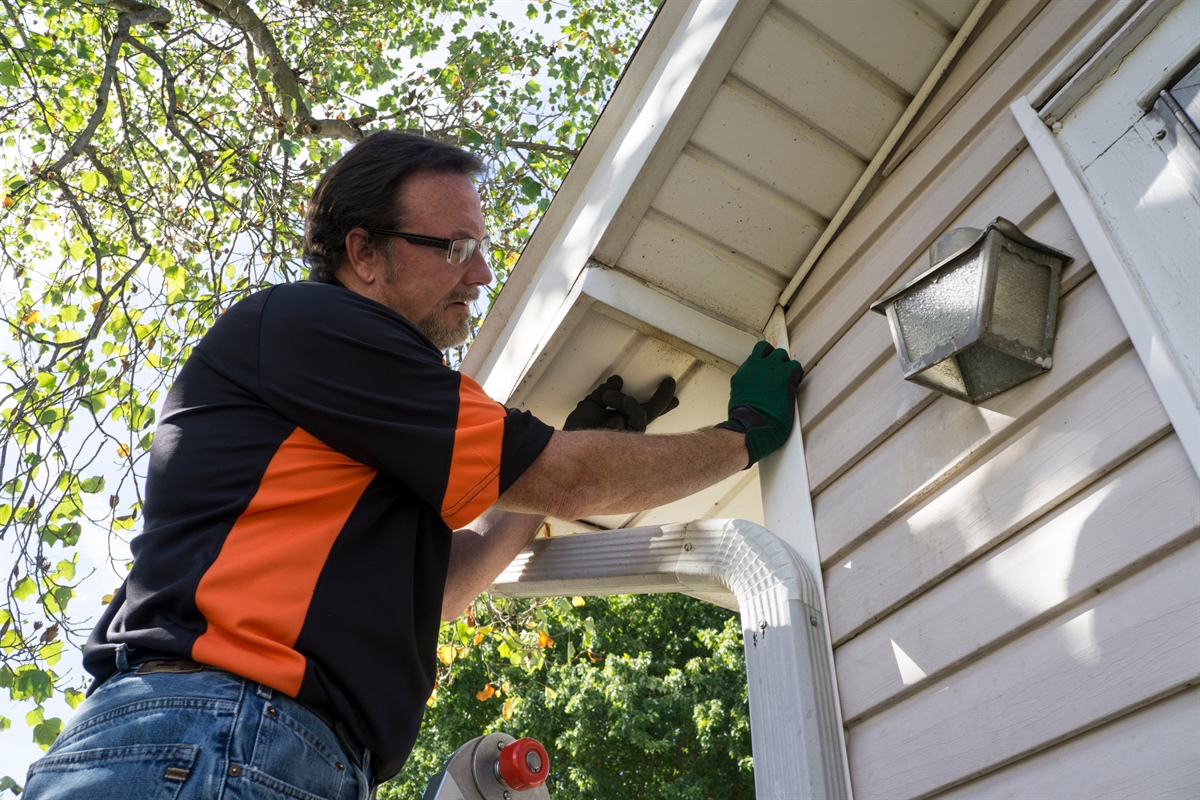
Minnesota’s dramatic seasonal shifts can be tough on homes, and vinyl siding is no exception. If you’re a homeowner in the Twin Cities metro, chances are you’ve seen your fair share of cracked panels, faded color, or buckling from years of exposure to snow, ice, heat, and wind.
But how long should your vinyl siding actually last in a place like this? The answer depends on several key environmental and material factors, some of which are unique to our climate. In most cases, vinyl siding in Minnesota can be expected to last between 20 to 30 years, but only when installed properly and maintained with care.
Understanding what affects siding longevity can help you plan for maintenance, identify issues early, and know when replacement is the smartest option. The Best Roofing Company brings over 20 years of experience in siding installations across Minnesota’s harsh weather zones, and we’ve seen exactly what shortens or extends a product’s life.
We’ll walk through how cold temperatures impact siding durability, what warning signs to watch for when siding starts to fail, and how Minnesota’s humidity can contribute to warping, plus more. Whether you're replacing or maintaining your vinyl siding, this guide is built for Minnesota homeowners looking for dependable information, not guesswork.
How Cold Weather Affects Vinyl Siding Durability in Minnesota
Minnesota winters often bring long periods of subzero temperatures, which can have a significant effect on the structural integrity of vinyl siding. In cold climates, vinyl becomes more rigid and brittle, making it prone to cracking, chipping, or shattering under pressure.
This is especially problematic if the siding was not installed with adequate room for thermal expansion and contraction. Over time, freeze-thaw cycles can lead to micro-fractures that may not be visible at first but can worsen with each season. Poor installation practices, such as over-nailing or a lack of ventilation, can intensify these effects.
In addition to physical damage, temperature extremes can affect the fastening and alignment of panels. As siding expands and contracts, improperly fastened panels may come loose or warp, leaving gaps for water infiltration.
Water that seeps behind the panels can freeze, expand, and further damage the underlayment and structure. Even high-quality vinyl siding products can suffer reduced performance if not installed to accommodate these dynamic conditions.
Installers familiar with Minnesota’s winters know to leave proper nailing margins and use reinforced locking systems to help prevent failure under temperature stress.
For homeowners in cold regions like the Twin Cities, selecting a premium grade of vinyl siding engineered for low-temperature flexibility is key. These products often include impact-resistant formulations that hold up better through harsh winters.
It's also critical to work with installers who understand how to compensate for thermal expansion, which can vary by product type and profile. With the right siding and proper installation methods, the risks posed by Minnesota’s winters can be minimized significantly.
Warning Signs That Vinyl Siding Needs Replacement
Vinyl siding doesn’t typically fail all at once—it breaks down over time, showing a range of early warning signs that indicate it’s nearing the end of its lifespan.
One of the most common symptoms is fading or discoloration. While vinyl is designed to resist UV rays, years of sun exposure—especially after severe winters—can degrade pigmentation and make the exterior appear dull or patchy.
Cracks, chips, or breaks, especially around panel edges or corners, signal structural fatigue, often worsened by temperature extremes. These issues can allow moisture to enter behind the siding and affect the underlying structure.
Another telltale sign is warping, buckling, or bulging panels. These distortions often occur due to improper installation, years of thermal cycling, or moisture infiltration. Warped siding not only affects curb appeal but can also compromise the effectiveness of your home’s weather barrier.
Pay attention to signs of rot or mildew around seams or at the base of siding panels. These could point to hidden water damage, which is more common in humid and precipitation-heavy areas like southern Minnesota. Increased indoor energy bills may also suggest insulation failure behind compromised siding.
When more than a few isolated issues appear, or if repairs become frequent and costly, full replacement should be considered. Aging siding may still be in place even after 25–30 years, but that doesn’t mean it’s performing well.
Reliable siding services like siding services in Minnesota can assess the damage and determine whether spot fixes or full replacement is the more cost-effective solution.
Does Minnesota’s Humidity Cause Warping in Vinyl Siding?
Humidity is an often-overlooked environmental factor when evaluating vinyl siding performance, especially in areas like Minnesota, where summer months can become quite humid. While vinyl siding is non-porous and does not absorb moisture like wood, excessive humidity can still play a role in siding deformation.
When combined with high temperatures, humidity increases the thermal expansion rate of vinyl materials. If the siding wasn’t installed with the correct spacing or fastening, this expansion can lead to warping, buckling, or sagging. These conditions are more common in areas that receive long hours of direct sunlight.
Moisture buildup behind siding is another concern. Improper ventilation or installation over poorly insulated walls can trap humidity between the siding and the home’s sheathing.
This can cause the back side of the vinyl panels to swell or bow outward. In climates where rainfall and humidity are high during warmer seasons, this type of hidden moisture intrusion can go unnoticed until visual defects appear or insulation becomes less effective.
Humid conditions can also contribute to mold or mildew growth behind siding, especially when drainage systems like gutters and soffits are clogged or damaged.
Preventing humidity-related warping involves proper installation techniques and the use of breathable house wraps or moisture barriers. These elements allow vapor to escape while still keeping water out.
Choosing UV-stabilized and impact-resistant vinyl materials rated for high-humidity environments also reduces the risk of long-term distortion. Minnesota’s climate requires a siding system that works not just for one season, but all four, and summer humidity is a key factor that cannot be ignored.
What Maintenance Extends the Life of Vinyl Siding?
Vinyl siding is often marketed as “low maintenance,” but that doesn’t mean “no maintenance.” Homeowners in Minnesota who take proactive steps can extend the life of their siding by 5 to 10 years or more.
One of the most effective measures is regular cleaning. Using a soft-bristle brush or pressure washer set to low can help remove dirt, algae, and mold that may accumulate, especially after the thaw of a long winter. Neglecting this cleaning can lead to staining or organic buildup, which not only affects appearance but can harbor moisture.
Seasonal inspections are also critical. Check for loose or cracked panels after major storms or heavy snowfall. Freeze-thaw cycles and wind can loosen fasteners or create stress fractures that aren’t always visible.
It's also a good idea to monitor caulking and flashing around windows, doors, and soffits, as compromised seals can allow water behind the siding.
Gutter maintenance plays a supporting role, too—clogged gutters can overflow and lead to siding damage around the eaves or foundation.
Long-term protection comes from catching small problems before they escalate. Replace damaged panels immediately and have a professional evaluate the integrity of the siding envelope every few years.
Properly maintained vinyl siding can easily reach or exceed its expected service life in a climate like Minnesota’s, where each season brings its own set of stressors. Regular maintenance ensures not just durability but also preserves the siding’s insulating and protective properties.
Are There Warranties for Vinyl Siding Installed in Harsh Climates?
Most reputable vinyl siding manufacturers offer warranties that cover product defects, but these vary significantly in scope, duration, and transferability—especially when applied to harsh climates like Minnesota.
Many premium-grade vinyl siding products come with limited lifetime warranties for the original homeowner, and some extend coverage even when the home changes ownership. These warranties often protect against issues like excessive fading, cracking, peeling, and blistering, assuming the siding was installed according to the manufacturer's guidelines.
Some warranties are prorated after a certain number of years, which means the coverage value decreases over time. It’s important to read the fine print to determine what’s included.
For example, damage caused by hail, improper installation, or ice damming may not be covered unless explicitly stated. Minnesota homeowners should look for siding options that specifically list performance guarantees in freeze-thaw conditions, wind resistance, or impact protection.
Also, labor warranties from the contractor are separate and should be reviewed alongside the product warranty.
The Best Roofing Company offers siding systems installed by manufacturer-certified crews and backed by both manufacturer and workmanship warranties. These combined protections help homeowners feel confident that their siding investment is safeguarded against the demands of Minnesota’s unpredictable weather.
Trust The Best Roofing Company for Your Vinyl Siding Needs in Minnesota
If your home’s vinyl siding is showing signs of age, or you’re navigating the challenges of Minnesota’s climate, The Best Roofing Company offers trusted expertise and certified installation to help protect your investment.
With over 20 years of experience in exterior renovation across the Twin Cities, our team understands how weather, material quality, and proper installation all play a role in siding durability. We’ve worked with countless homeowners in Inver Grove Heights and beyond to ensure their siding stands strong through heat, humidity, snow, and ice.
Our siding professionals are manufacturer-certified and trained to handle every project with care, from selecting the right product grade to securing performance warranties that stand up to Minnesota’s weather.
Whether you’re responding to storm damage, planning a full exterior upgrade, or need help assessing aging panels, we provide transparent quotes, clear communication, and a commitment to workmanship that lasts. We also offer 24-hour emergency service and hassle-free support with insurance claims for storm-related siding damage.
Located in Inver Grove Heights, MN, The Best Roofing Company is proud to be a family-owned contractor with deep roots in the community. You can reach us at 612-458-9378 or request a quote through our website to get started. Let us show you why homeowners across the Twin Cities choose us for reliable service, premium materials, and siding systems built to last.