How Commercial Roof Coatings Extend Roof Life
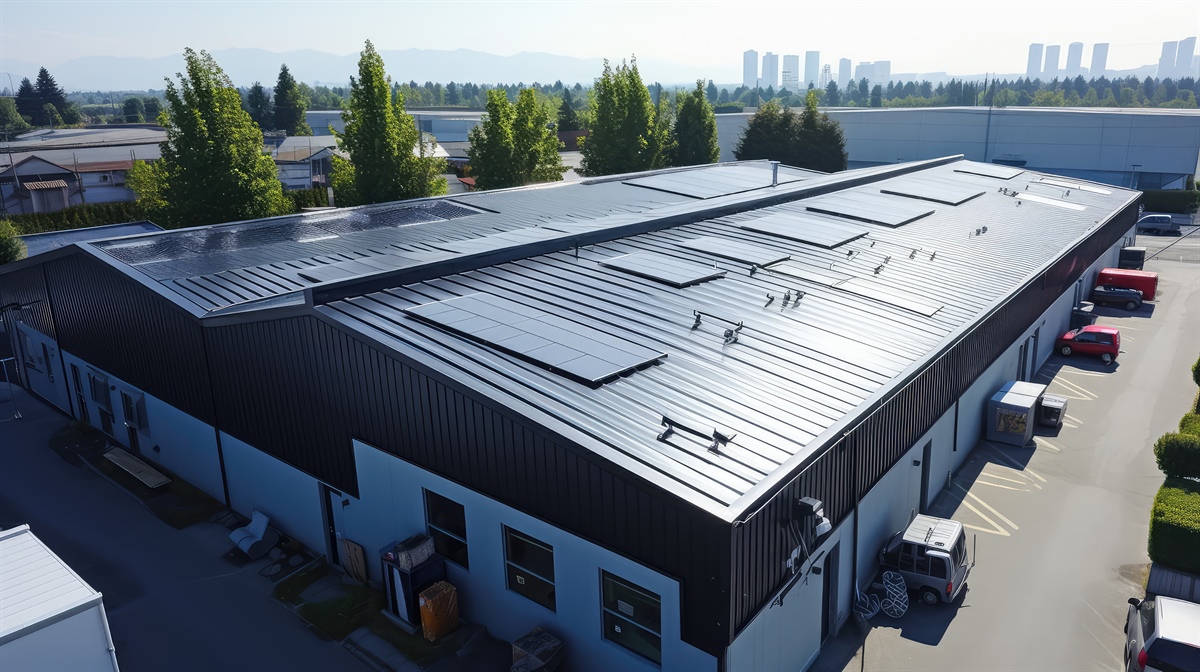
When it comes to extending the life of a commercial roof, coatings are one of the most effective and cost-efficient solutions available. Commercial roof coatings serve as a protective barrier, shielding the existing roof structure from UV radiation, ponding water, extreme temperatures, and other forms of environmental damage.
By applying a high-quality coating, property owners can significantly delay the need for full roof replacement, saving both time and money while maintaining the integrity of their investment.
Imagine a large industrial facility with an aging roof that’s beginning to show signs of wear—small leaks, faded membrane, and minor surface damage. Instead of tearing off the entire roof system and dealing with operational disruptions, a properly selected and applied coating can restore performance, add years to the life of the roof, and improve energy efficiency.
This is especially important in climates like Minnesota, where temperature fluctuations and harsh winters can rapidly degrade roofing materials. Companies like The Best Roofing Company understand these regional challenges and offer specialized services tailored to commercial property owners seeking durability and reliability from their roofing systems.
In this article, we’ll break down how commercial roof coatings work and answer some of the most common technical questions related to their use. We’ll explore the commercial roofing coating types available, when coatings make more sense than full replacements, how coatings are applied over materials like EPDM or metal, what kind of lifespan you can expect from a well-maintained coating, and whether these coatings are covered under separate warranties.
Each of these insights will help you determine if a roof coating is the right investment for your building.
Understanding the Differences Between Acrylic, Silicone, & Urethane Roof Coatings
Roof coatings come in several distinct formulations, each designed to serve different performance goals and roofing environments. Among the most widely used in commercial applications are acrylic, silicone, and urethane coatings.
Acrylic coatings are water-based and known for their reflectivity, cost-efficiency, and ease of installation. They work well in regions with moderate rainfall and are especially effective on low-slope roofs.
Their ability to reflect UV rays helps reduce building cooling costs, but their water-resistance performance is lower compared to other types, which makes them less ideal in areas with consistent standing water.
Silicone coatings, on the other hand, are made from silicone polymers and provide superior moisture resistance. These are best suited for flat roofs or those with poor drainage, where ponding water is a concern.
Silicone remains flexible even in cold temperatures and maintains its adhesion properties over time. However, it tends to attract dirt, which may reduce its reflectivity over time, and recoating may require additional surface preparation.
Urethane coatings offer the highest resistance to impact, foot traffic, and chemical exposure. They are solvent-based and perform exceptionally well in industrial environments where the roof may be subject to mechanical wear or harsh elements. Their tensile strength also makes them a solid choice for metal roof systems prone to thermal movement.
Choosing the right coating depends on the existing roof material, climate conditions, and long-term building use. For commercial properties requiring tailored, high-performance solutions, it’s critical to evaluate each product’s specific benefits. Learn more about the options for commercial roofing applications and which coatings align best with your roof type and performance requirements.
When Commercial Roof Coatings Make More Sense Than Full Replacement
Applying a commercial roof coating can be a more strategic and economical solution than a full replacement under the right conditions. One of the primary scenarios where coatings are preferred is when the existing roof is structurally sound, with issues limited to the membrane or surface layer.
Coatings can restore waterproofing, improve thermal performance, and correct minor deterioration without the need for costly tear-offs. This not only reduces material and labor costs but also shortens project timelines and avoids disrupting business operations beneath the roof.
Building owners often consider coatings when they want to extend the service life of their roof by 10-20 years without investing in a full rebuild. They are especially beneficial when a roof is approaching the end of its warranty but has not yet failed.
Coatings also offer advantages for compliance with local building codes that limit the number of tear-off layers or impose restrictions on construction waste.
In these instances, coating systems can serve as code-compliant alternatives to total replacement projects. Energy incentives and reflectivity benefits can further reduce the building’s energy consumption, particularly with white or reflective finishes.
Deciding between coating and replacement requires a detailed roof inspection and an understanding of the building’s structural needs. Coatings are not ideal for roofs with widespread saturation, extensive insulation damage, or compromised decking.
In these cases, replacement becomes unavoidable. However, when conditions are right, coating systems can deliver substantial savings and preserve the roofing asset longer. To explore eligible systems and application benefits, review The Best Roofing Company’s full suite of roofing services tailored for commercial buildings.
Application Process of Roof Coatings Over EPDM & Metal Surfaces
The application of roof coatings over EPDM and metal surfaces requires distinct preparation methods to ensure long-term adhesion and performance. For EPDM, the process typically begins with a thorough cleaning to remove surface oils, dirt, and environmental contaminants.
Pressure washing combined with a biodegradable detergent is standard. Once dry, a specialized primer is applied to improve bonding between the rubber membrane and the coating.
This primer is essential because unprimed EPDM can resist adhesion. After priming, the chosen coating—typically acrylic, silicone, or urethane—is applied in one or more layers using rollers or spray equipment, depending on the project scale.
Metal roofing requires a different set of considerations. Surface rust, oxidation, and previous coatings must be addressed first. This may involve mechanical abrasion or chemical cleaning, depending on the condition of the substrate.
Next, fasteners and seams are reinforced using fabric tapes or mastic to prevent moisture intrusion. Once prepped, a corrosion-inhibiting primer is applied, followed by the roof coating itself.
Metal roofs benefit from high-tensile coatings that accommodate thermal expansion and contraction cycles. Urethane and silicone coatings are commonly used for metal due to their durability and resistance to cracking.
Each step in the process must be completed under the correct environmental conditions—avoiding application during rain or extreme heat—and requires trained professionals to monitor coating thickness and curing time. This methodical approach ensures that coatings form a continuous, watertight seal that protects the existing roof for years to come.
How Long Do Commercial Roof Coatings Last?
The lifespan of a commercial roof coating depends on several key variables, including the type of coating used, the thickness of application, existing roof conditions, and ongoing maintenance. On average, acrylic and silicone coatings last between 10 and 20 years, while high-performance urethane coatings can extend beyond 25 years in well-maintained environments.
Thickness plays a critical role—coatings applied at manufacturer-recommended mils (thickness measurement) will typically perform closer to the high end of their expected range. Many systems also allow for recoating every decade, which can reset the lifecycle and extend total service life indefinitely when properly maintained.
Environmental conditions are another significant factor. Roofs exposed to heavy rainfall, ponding water, or constant UV exposure will wear faster without a resilient coating like silicone.
Buildings located in colder climates face different stressors, such as thermal cycling and snow load, which coatings like urethane are better equipped to handle. Property managers can often maximize coating longevity by incorporating scheduled inspections and minor touch-up work into their regular maintenance protocols.
This proactive approach helps identify potential failure points early and maintains the coating’s integrity throughout its lifespan.
In addition to protective longevity, coatings also contribute to energy efficiency, which further enhances the long-term value. Reflective coatings reduce rooftop temperatures and cut down on HVAC usage, producing energy savings that accumulate year over year. These added benefits reinforce the decision to invest in a durable, professionally applied commercial roof coating system.
Warranty Coverage for Commercial Roof Coatings
Commercial roof coatings are typically covered under separate manufacturer warranties, independent from the original roofing system warranty. These warranties vary by product and manufacturer but generally provide 10 to 20 years of protection against common issues such as adhesion failure, cracking, and moisture infiltration.
Coating warranties are often categorized into material-only or full-system coverage. Material-only warranties ensure the product itself meets performance standards, while full-system warranties also include labor and installation quality, which must be performed by certified roofing contractors.
To qualify for comprehensive warranty coverage, most manufacturers require strict adherence to application guidelines, including minimum dry film thickness, substrate preparation, and curing conditions.
Documentation, photographs, and inspection reports are typically required during and after the project to validate warranty issuance. Some warranties are prorated, while others remain non-prorated for their entire term.
In some cases, recoating the system before the warranty expires may allow the owner to extend the coverage without removing the original layer.
It’s important for building owners to review warranty terms in detail and ensure the contractor they select is certified by the coating manufacturer. This ensures not only quality workmanship but also preserves warranty eligibility.
To learn more about how warranty options can align with your roofing system, contact The Best Roofing Company for product-specific information and guidance.
How The Best Roofing Company Can Help Extend Your Commercial Roof’s Life
Protecting and extending the life of your commercial roof starts with using the right products and partnering with experienced professionals who understand how to apply them correctly. At The Best Roofing Company, we specialize in evaluating commercial roofing systems to determine if roof coatings are a practical and beneficial solution for your building.
From helping you choose between acrylic, silicone, and urethane coatings to handling the surface preparation and application process, we manage the entire project with precision and care. We understand the climate challenges in Inver Grove Heights, MN, and our coatings are selected for durability against ponding water, thermal movement, and UV exposure.
Our team also assists with understanding coating lifespans and provides insight into warranty terms, so you know exactly what kind of long-term coverage you're investing in.
If you're looking for a proven way to prolong the life of your roof and reduce your operational costs, it's time to talk with the experts. We’ll guide you through the evaluation process, explain coating benefits in detail, and provide a clear plan based on your specific roof type and condition.
Call us at 612-458-9378, visit us at Inver Grove Heights, MN, or request a quote online to get started with a customized coating solution from The Best Roofing Company.